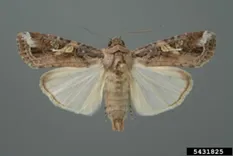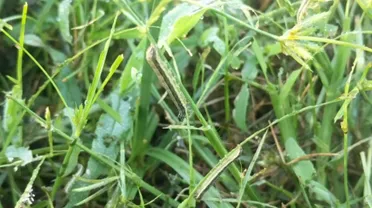
Fall armyworms have already been reported in upstate South Carolina in counties that border NC. Their presence would just be the icing on the cake for producers already struggling to have enough forage going into winter this year! These insects can destroy a pasture in a very short period of time, sometimes with the damage seeming to occur overnight. They feed on the leaf blades of grasses, leaving behind only tough stems. This defoliation can stress and weaken pastures and lawns, leading to brown patches in the field that can rapidly increase in size. This damage reduces hay yields and forage available for grazing. They often travel in waves, searching for new forage.
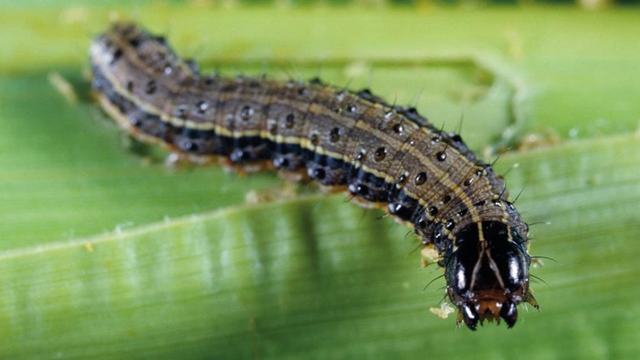
Scouting for the fall armyworm is important, as they can very quickly become a problem. It is recommended to scout early in the morning or late in the evening, as they will hide or go to the ground during the heat of the day. Be on the lookout for small striped larvae that range in color from light green to almost black. They have a distinctive “face” marking that looks like a light colored inverted “Y”. These larvae feed for about 14 days before pupating into the adult moth. The last four days are when they eat the most and can do the most damage. In order to scout for the armyworm, look closely at the ground and ruffle the grass to dislodge any armyworms. Count the number of larvae within a square foot area. Do this at multiple sites throughout the field. If you average more than 3 caterpillars that are ¼ inch or longer per square foot then you have reached the threshold for treatment.
If you decide to treat your pastures or hay fields, approved products can be found here NC STATE. Remember to read the label and follow all restrictions. Please contact the Alexander County Cooperative Extension Center at 828-632-4451 to report the presence of fall armyworms in Alexander County.